
PROJECT DELIVERY + LIFECYCLE SUPPORT
From early design through commissioning and long-term support.
EBSA supports commercial operable facade systems across the project lifecycle — from design consultation and system engineering through supply, project coordination, installation, field cabling, programming, commissioning, maintenance and upgrades.
Keeping that technical knowledge connected matters. The window or louvre, actuator, wiring, controls, sensors, software, building interfaces and operating sequence all need to work as one system.
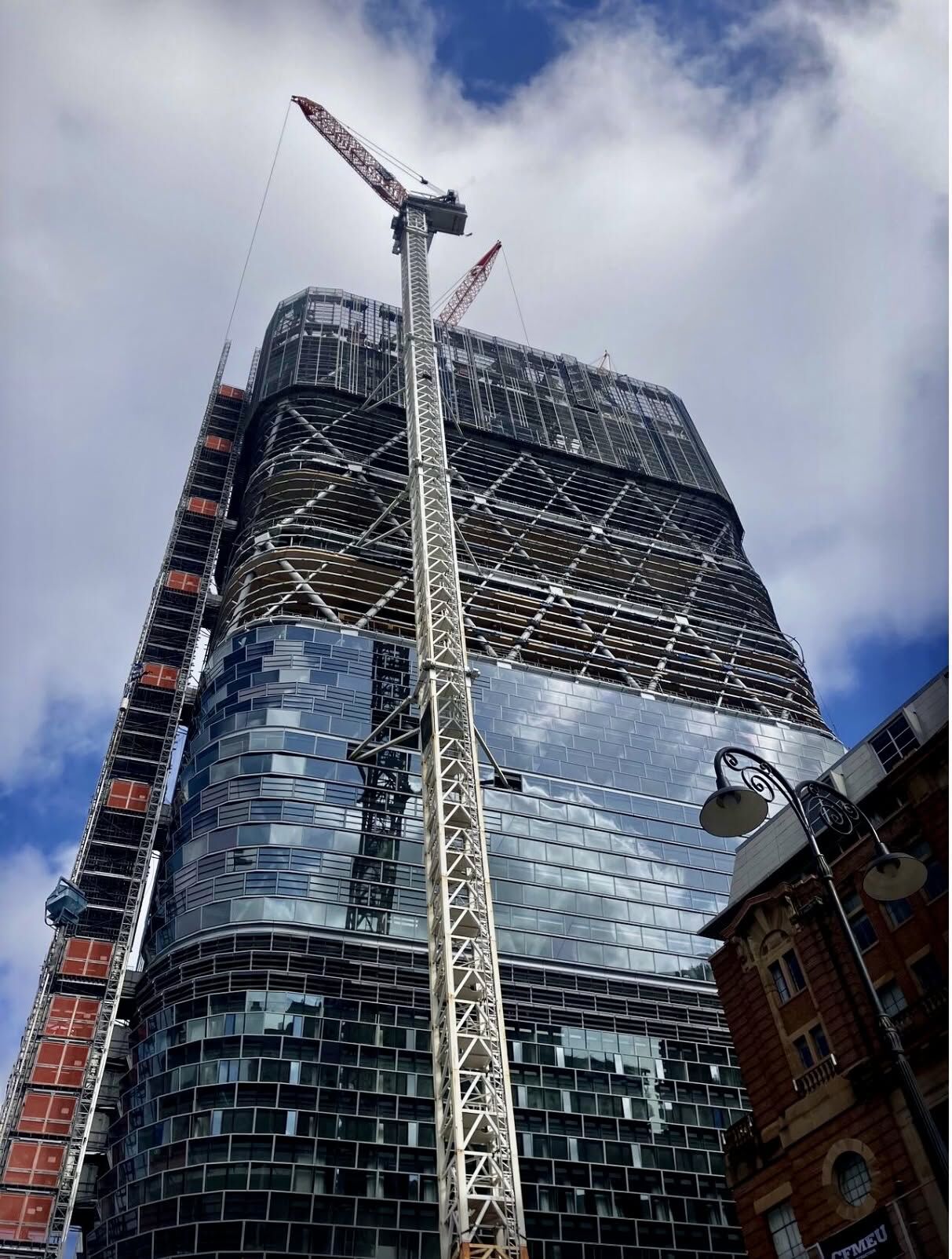
DESIGN + ENGINEERING
Early technical input, system selection and project-specific coordination
PROJECT COORDINATION
Documentation, interfaces, supply and delivery through construction
INSTALLATION + COMMISSIONING
Field installation, cabling, configuration, programming and functional testing
SERVICE + SUPPORT
Maintenance, diagnostics, replacement support and system upgrades
ONE TECHNICAL THREAD
The system works better when the knowledge stays with the project.
Operable facade systems cross several technical boundaries. The facade element has to move correctly. The actuator has to suit the opening. Field wiring and controls have to support the required loads and zones. Sensors, software and operating logic have to respond as intended. BMS, mechanical and fire-system interfaces have to be coordinated with the wider building.
When those responsibilities are treated as unrelated packages, important details can be lost between design, installation and commissioning. EBSA’s service model is built around maintaining a clear technical thread through the stages of the project for the parts of the system within our scope.
01 — DESIGN INPUT
02 — SYSTEM ENGINEERING
03 — COORDINATION
04 — INSTALLATION
05 — INTEGRATION
06 — COMMISSIONING
07 — LIFECYCLE SUPPORT
The objective is not simply to supply components. It is to help deliver an operable facade system that can be understood, tested, handed over and supported.
OUR SERVICES
Technical support at the stages that determine project success.
01
DESIGN CONSULTATION
Work with the project design team to understand the operating requirement, facade condition, opening type, application, control intent and interfaces before product and system decisions are locked in.
Explore Design Consultation02
SYSTEM DESIGN + INTEGRATION
Develop the appropriate actuator, control and interface approach around the project requirements, including groups, zones, sensors, control logic, BMS, mechanical and fire-system interfaces where applicable.
Explore System Design + Integration03
SUPPLY + PROJECT COORDINATION
Coordinate approved equipment, project-specific documentation, interfaces, delivery requirements and construction-stage information so that the system can move from design intent into an installable project scope.
Explore Project Coordination04
INSTALLATION + FIELD CABLING
Provide installation of applicable EBSA window automation, control and glass louvre systems, including field cabling and terminations where these form part of EBSA’s project scope.
Explore Installation + Field Cabling05
PROGRAMMING + COMMISSIONING
Configure control systems, establish the required groups and zones, coordinate interfaces, program the approved operating logic and functionally test the system through commissioning.
Explore Programming + Commissioning06
SERVICE + MAINTENANCE
Support installed systems through planned maintenance, inspection, diagnostics, fault finding, adjustment, repair and replacement pathways, helping owners and facility teams keep the operable facade system serviceable over its working life.
Explore Service + Maintenance07
SYSTEM UPGRADES + RETROFITS
Assess existing actuators, controls and operating requirements, then develop practical replacement or upgrade pathways where equipment is ageing, superseded or no longer suited to the building’s current needs.
Explore System UpgradesEARLY PROJECT INPUT
Resolve the operating concept before the hardware is locked in.
The best time to solve many window automation and operable facade problems is before the project reaches construction. Early technical input allows the project team to consider the opening geometry, required movement, actuator selection, control architecture, zones, environmental response, interfaces, wiring pathways, access and commissioning requirements together.
EBSA works with architects, facade consultants, engineers, builders and other project stakeholders to turn the required building operation into a practical system approach. That input can range from product and application guidance through to project-specific control and integration planning.
COORDINATED DELIVERY
One operable facade system can cross several trade packages.
The facade contractor, electrical contractor, mechanical contractor, fire contractor, BMS contractor and controls specialist may each touch part of the same operating sequence. Successful delivery depends on clear interface information and an agreed understanding of what each package provides.
EBSA’s project role can include equipment and system coordination, project-specific shop drawings and technical documentation, interface information, installation requirements, field coordination and support through construction. The objective is to make the boundaries between the physical facade element and the building systems around it clear enough to build and commission.
FACADE
Operable element, actuator mounting, geometry, access and integration into the facade assembly
ELECTRICAL
Power supplies, field cabling, cable routes, terminations and scope boundaries
BMS + MECHANICAL
Commands, status, environmental control, zoning, operating sequences and mechanical coordination
FIRE SYSTEMS
Required signals, interfaces and operating sequences for applicable smoke-control applications
SYSTEM COMMISSIONING
Commission the operating sequence, not just the individual components.
A correctly installed actuator is only one part of the result. The control system also has to recognise the correct groups and zones, respond to local controls and sensors, exchange the required signals with other building systems and execute the agreed operating sequence.
EBSA programming and commissioning brings those functions together within the project scope. This can include control-system configuration, actuator and group setup, interface testing, functional testing, adjustments and commissioning records required for handover.
The purpose of commissioning is to confirm that the coordinated system within EBSA’s scope operates as intended before it becomes an operational building asset.
AFTER HANDOVER
Technical support continues after the building is occupied.
Operable windows, glass louvres, actuators and control systems remain active building assets after practical completion. Planned service helps identify wear, adjustment requirements, failed components and control issues before they become larger operational problems.
EBSA supports installed systems with maintenance, diagnostics, fault finding, adjustments, repair and replacement support. Because the same technical disciplines continue from actuation and wiring through controls and integration, service work can consider the wider operating system rather than treating a failed component in isolation.
For installed and superseded D+H equipment, EBSA can also assist with identification, replacement pathways, controller upgrades and compatibility assessment through the dedicated legacy-support pathway.
EXISTING BUILDING
Upgrade the system around how the building needs to operate now.
Existing buildings often contain a mixture of ageing actuators, superseded controls, retained field wiring and interfaces that have changed since the original installation. Replacing a single failed component is not always the same as solving the system requirement.
EBSA can assess the installed equipment and operating intent, identify practical replacement and compatibility pathways and develop an upgrade approach that takes the existing facade, wiring, controls and building interfaces into account.
DELIVERY IN PRACTICE
See how design, coordination, installation and commissioning come together on real projects.
The value of lifecycle capability is clearest on projects where the facade, automation and building systems have to operate together. EBSA project case studies show the relationship between the design requirement, system architecture, equipment, interfaces, project coordination, installation and commissioning.
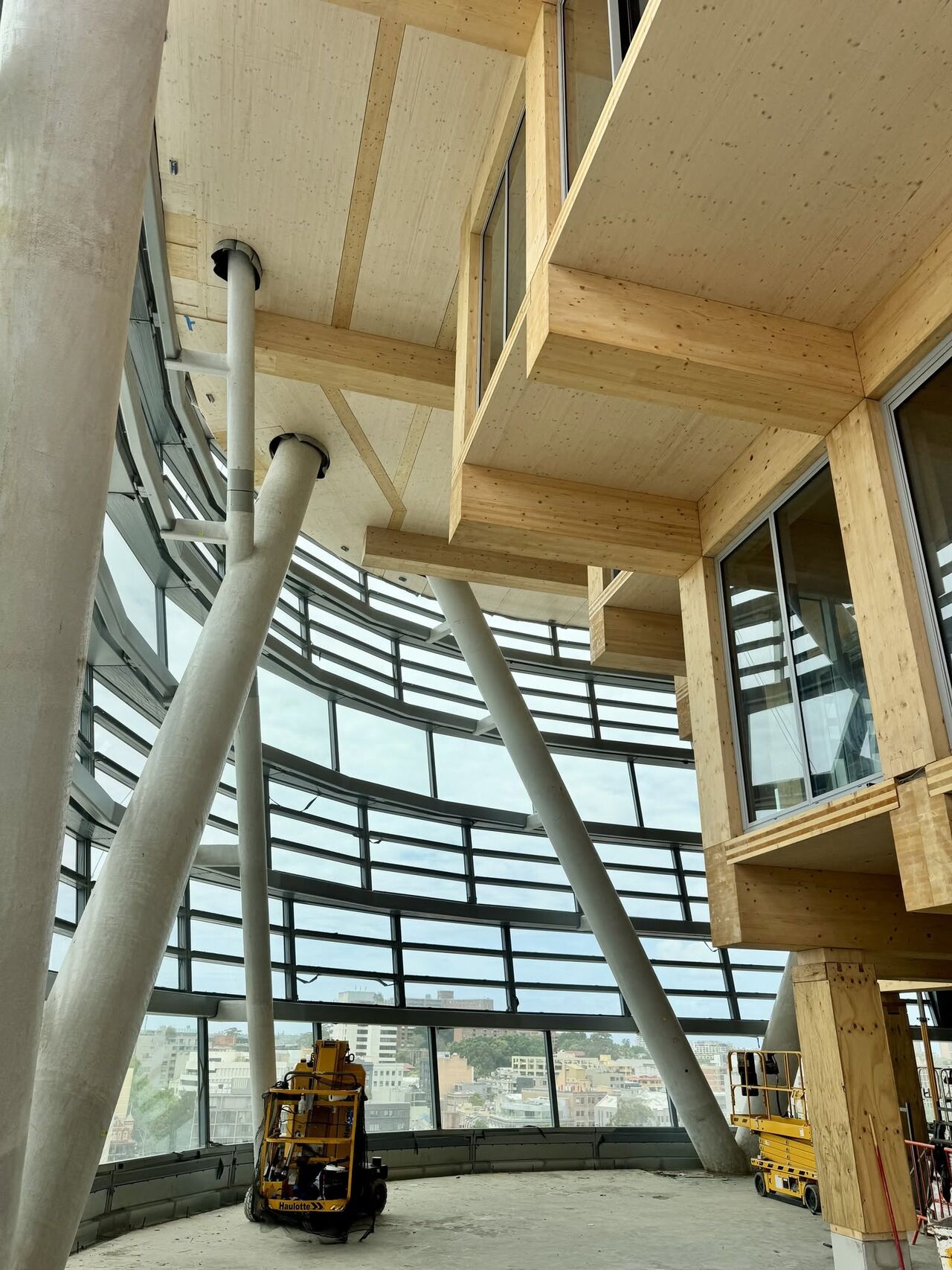
ATLASSSIAN CENTRAL — SYDNEY
Project-scale facade automation delivery.
A major commercial project reference demonstrating EBSA’s project-scale delivery capability across facade automation, controls and coordination.
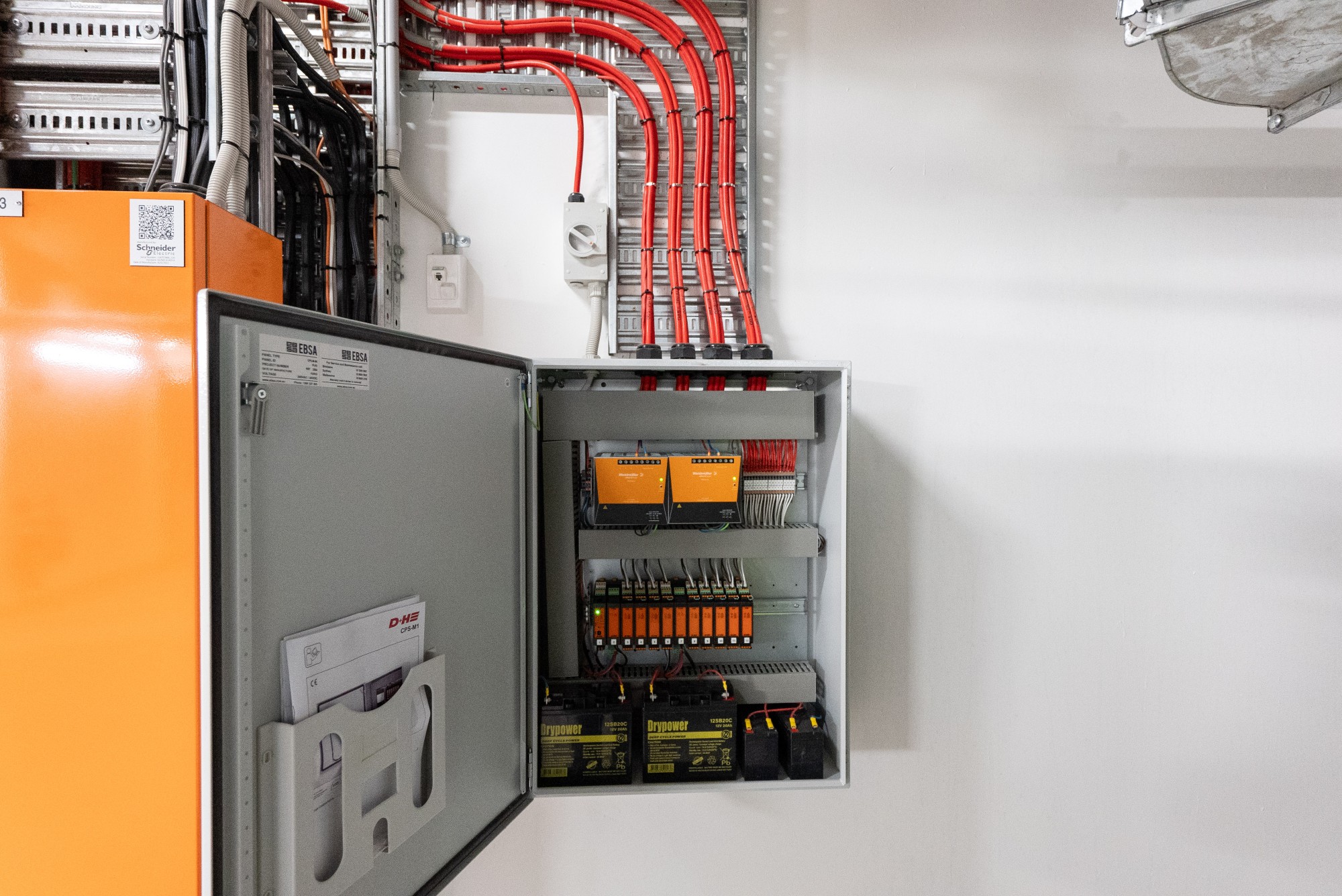
MARVEL STADIUM — MELBOURNE
Control-system integration carried through to project delivery.
A technical project reference showing the installed control architecture, field wiring and lifecycle engineering behind a complex operable facade system.
PROJECT SUPPORT
Where is your project in the lifecycle?
Whether you are resolving an early design question, coordinating an active project, preparing for commissioning or supporting an existing installation, tell us what stage the project has reached and what needs to be resolved. EBSA can help identify the appropriate technical and delivery pathway.